Tour
Excursion About us Reviews Blog Contacts


Today you have a treasure map or golden ticket to travel through that India, which is inaccessible to ordinary tourists
It is still the same mysterious and somewhat frightening eastern country, revealed by contrasts, spices and historical buildings. But this India can also be safe and comfortable, dazzling clean water and luxurious palaces, impressive mountain peaks, knowledge of spirituality and self-search. Do you want to know more about the tour that an experienced tourist wants?
Get to know India from the historical heart of the country, the second largest city, Delhi. Here are concentrated more than 60,000 architectural structures, sculptures and examples of popular Indian handicrafts. By visiting this city, you immediately learn all the spiritual, cultural and charming side of India. The city is divided into two parts:
New – these streets of the city will surprise you with modern architecture and opportunity to meet famous people
Old – Old Delhi was once intended for sultans, so behind the low houses and tiny streets lurked luxurious temples and mosques. Contrast Delhi is not the only discovery of this tour. There are many more locations that will never be forgotten.
show more
What are we going to see?
Tour sights
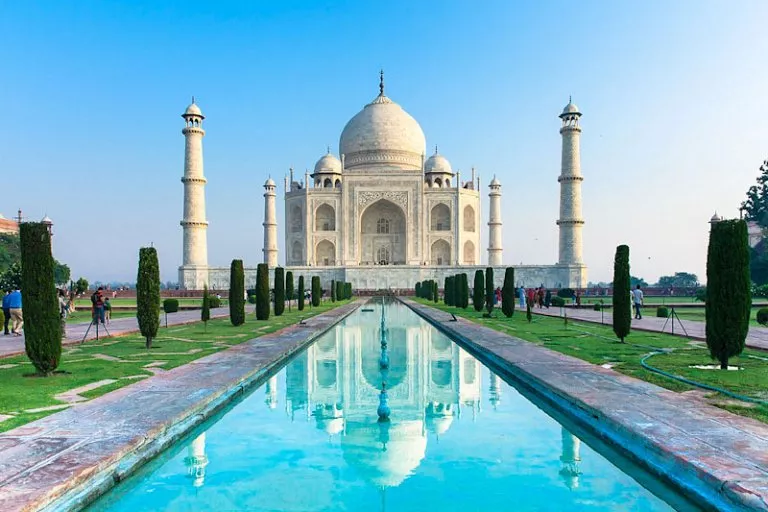
Taj Mahal
The most famous mosque of the world, opened in 1648. The five-dome structure, with a height of almost 80 meters, captures the spirit, and the adjacent gardens and aquatic compositions do not allow to distract the eye. Taj-Mahal dedicates to both the world of beauty and the world of spirituality.
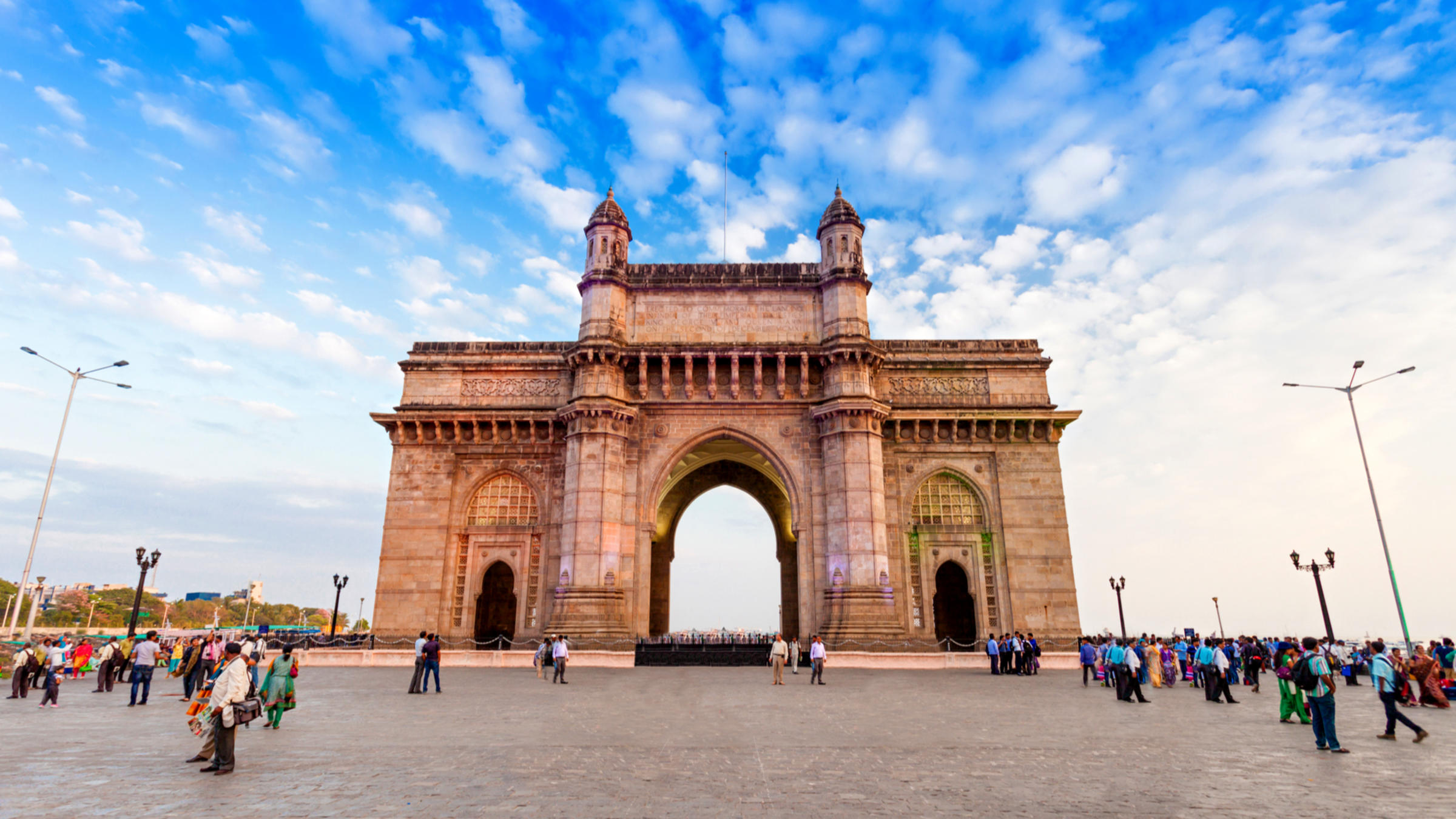
Gateway of India
Monument in New Delhi, resembling the French Triumphal Arch. Height of construction - 41 meters. The walls are marked with the names of more than 90,000 soldiers who defended the country during World War I. There is also always burning eternal fire
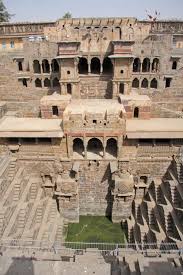
Step Wells
Amazing hydrotechnical structure keeps not only the secrets of reliable and aesthetic construction, but also cultural heritage, mysteries of the appearance and disappearance of water.

The Red Fort
Construction of red sandstone of the time of the Great Mughals (1652), also known as Lal-Keil. Amazing multi-tiered palaces, built by several generations of the dynasty. This place has become not only a historical example of a defensive fortress, but also a mausoleum for the main beauty, the wife of the emperor. The palace inherited the refinement of Islamic architecture. The residence stands above the river Yamuna, surrounded by peaceful nature - it also deserves tourists attention

the Palace on the Water.
Near the city of Jaipur, was built a castle that attracts attention with its symmetry and freedom. Jal-Mahal settled right in the middle of Lake Man Sagar! The golden walls, made in the Indo-Muslim style, from the 18th century until today are like standing on the water, although under the water there is another 4 floors, and on the roof grow the most real trees. In this location are interesting both architectural solutions, legends, surrounding the walls of Jal-Mahal and than lake water, beauty of nature and sensations gained from being underwater
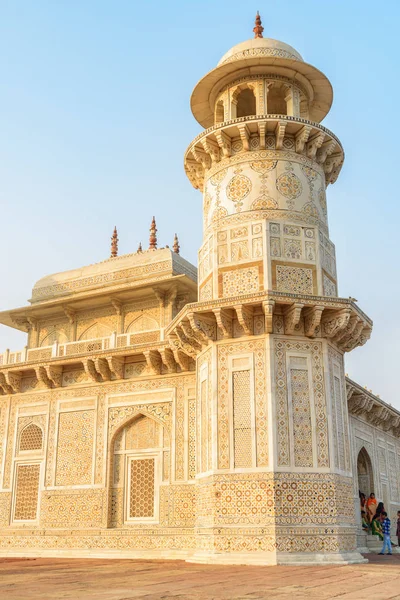
The Tomb of the Baby Taj
This marble mausoleum was built between 1622 and 1628 in the classic Mughal style. Though it has undergone restoration, the tomb still preserves the exquisite ornamentation of its era—golden inlays, intricate patterns, and precious stones. Its nickname, “Baby Taj,” comes from its proximity to the majestic Taj Mahal, echoing its elegance on a more intimate scale.
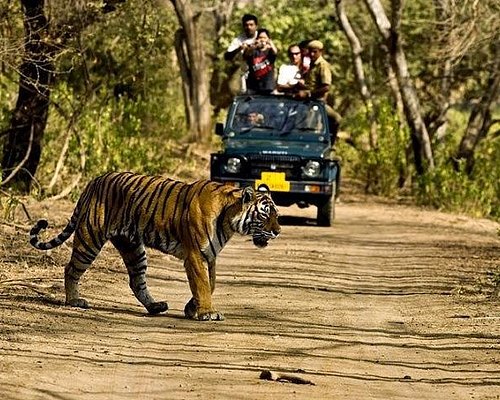
National park
Not far from the popular Khajuraho is one of the most interesting natural parks. It is a place where not to meet a tiger - failure. The location has also become home to several dozen species of unusual plants, monkeys, deer, birds.
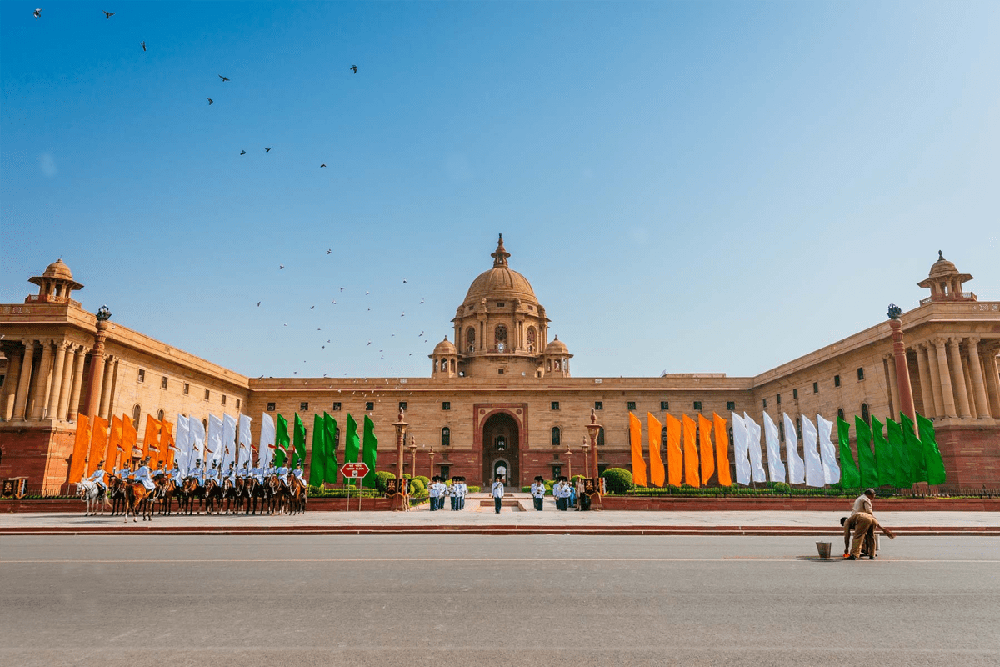
Residence of the President of India
The 55-meter building, belonging to neoclassical architecture, is steeped in history. The presidential palace in New Delhi is reminiscent of the Roman pantheon, and impresses not only with its beauty but also with its state significance.

Lodhi Gardens
New Delhi has a green park with 15th century architecture and the real tombs of Muhammad Shah, Sikander Lodi, Shish Gumbad and Bara Gumbad.

Sikh temple
The main temple of the Sikh religion, which appeared on the shore of the lake in 1604, is located in Delhi. At sunset it seems to become a reflection of the very sun because of gilding and precious stones on walls and roofs, so another name of historical and architectural monument - Golden Temple. Anyone can visit the Sikh temple, because the current confession principle is openness. In addition to the preserved millenary patterns, the location is decorated with living plants and pleasant musicc
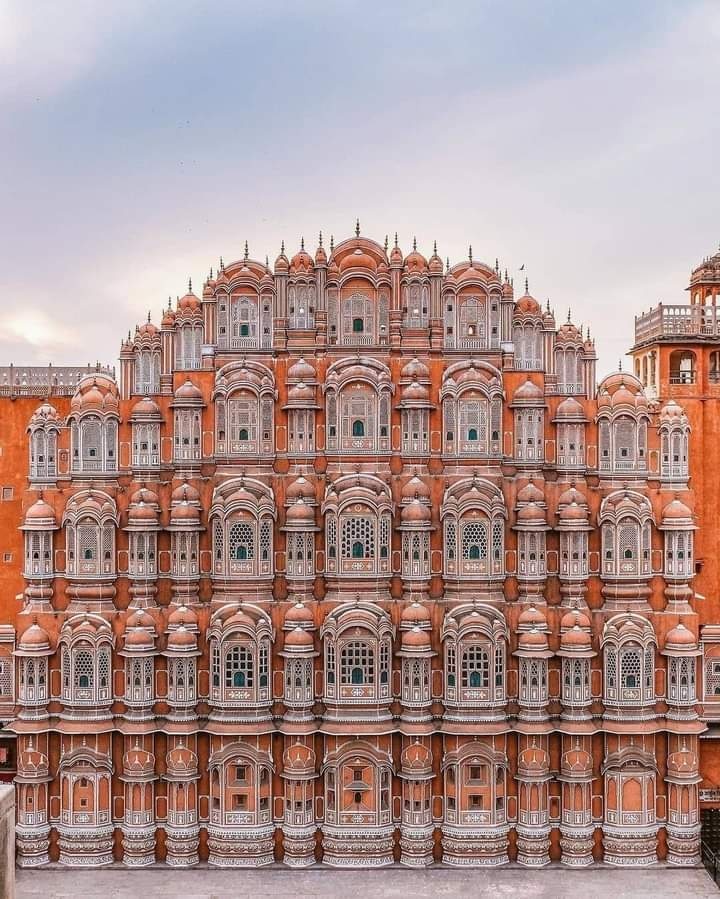
"The harem wing of Hawa Mahal
In Jaipur, since 1799, a five-storey structure of pink sandstone has stood in quiet majesty. Part of a royal palace complex, it once served as the harem quarters during the reign of Sawai Pratap Singh. The building captivates with its fantastical architecture—designed, quite literally, to breathe. This effect was achieved through its unique shape, as it was said to resemble Krishna’s crown, and through its 953 intricately carved windows that channel air into the harem wing.

The Moonlit Garden
Mehtab Bagh is a botanical garden in the city of Agra, affectionately known as the Moonlit Garden. Its name comes from the abundance of white and silvery-hued plants, pale architectural features, and delicate decor. At twilight and under the moon’s glow, the garden seems to shimmer with enchantment—casting a spell of quiet magic over all who wander through.
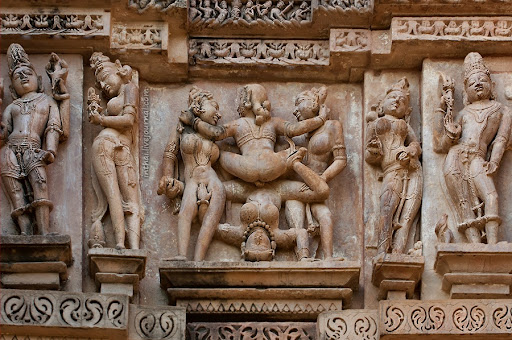
Kamasutra Temple
The complex is located at 10 square km in depth of jungle. Here you can see ancient buildings made of granite and sandstone, decorated with sculptures of an erotic nature. It is believed that all the images on the walls was made between 1025-1050, as we know from historical facts. In addition to sculptures in human growth, merged with each other, there are also images of wars, change of rulers, everyday life.
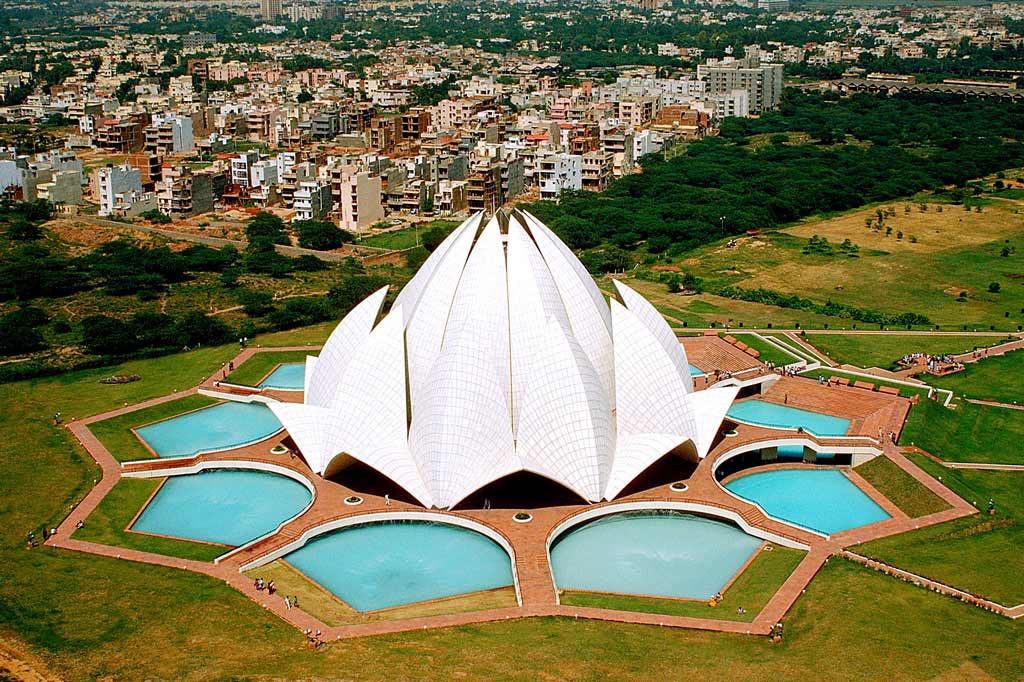
Lotus Temple
One of the main temples of India, built in 1986 in the capital. Lotus Temple became the guardian of the Baha'i religion in the country

Temple of India - Jami
The cathedral mosque, biult in 1656, stands on top of a hill from which you can enjoy amazing views. Impressive walls of the temple, an example of religious architecture in the 17th century.

The Pink City
Jaipur was founded in 1727 and was the center of the state of Rajasthan. However, in 1876 the Indian city was recognized anew when all the buildings were painted pink to meet the English queen. The city has become pink to highlight the hospitality of the locals. Today, in addition to photogenic, the city attracts tourists with palaces, protected areas, forts
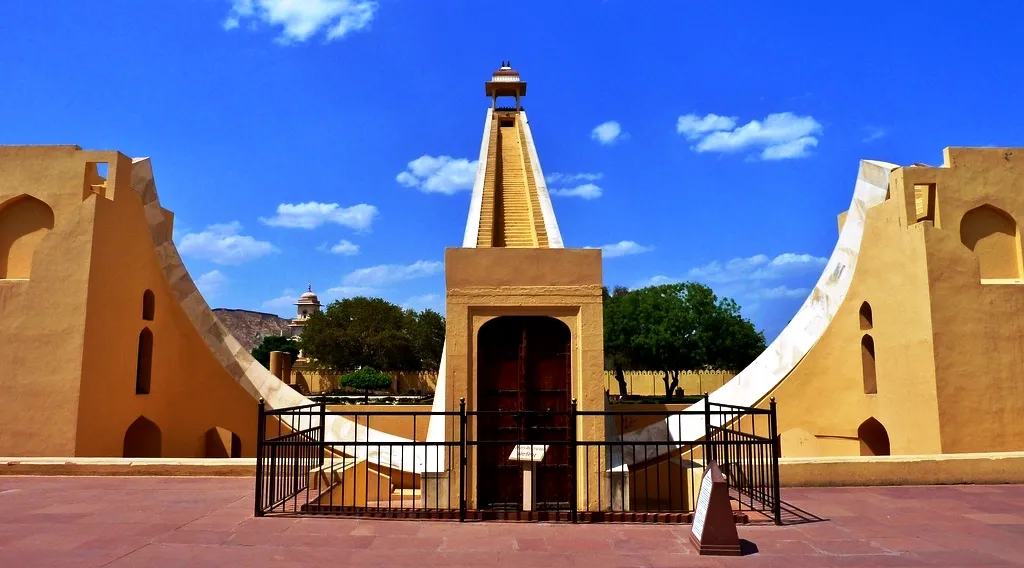
The Astronomical Observatory
The Astronomical Observatory sits atop a mountain, inviting visitors to embark on a journey through breathtaking views and the fragrant essence of Indian nature. And once immersed in this sensory landscape, they can turn their gaze to the stars—discovering celestial wonders, recent breakthroughs, and the mysteries of the universe.

Nature reserve with waterfall Raneh
Picturesque place, which amazes with its natural beauty and rich biodiversity. Here you can enjoy magnificent views of the cascade, surrounded by green forests and diverse plant species, as well as go on fascinating walks along trails, admiring the sounds of nature and the beauty of the surrounding landscapes.
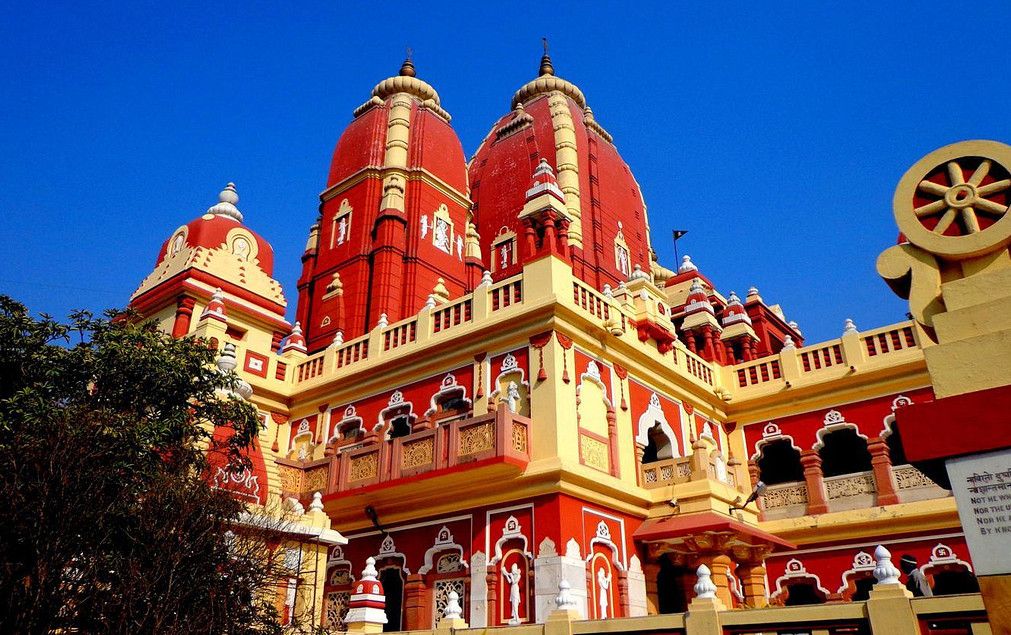
Temple of the goddess Lakshmi and Narayana
The Hindu temple in New Delhi, construction of what was completed in 1985. It will impress with the non-standard colors, shapes, architectural solutions. At the same time, the external turmoil of the temple conceals the calmness that the Hindu teachings give

the Chandni Chowk district
Here is one of the oldest and most impressive markets in Asia. It was built in the 17th century by order of Emperor Shah Jahan. He could hardly imagine then that in millennia the area of Chandni Chowk from small alleys with merchants will turn into a national attraction where the tourist can find everything ever looked for, and even more
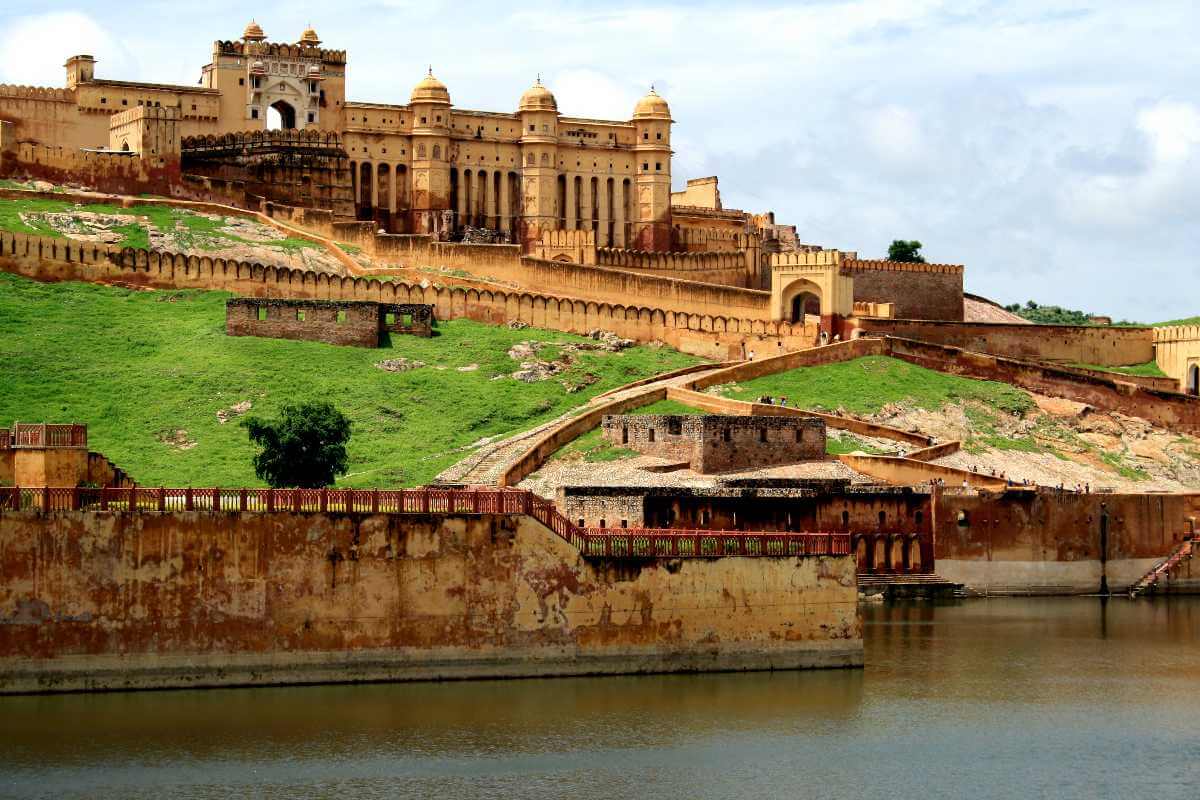
Amber Fortress
Building of 1727, formerly serving as a military fortification and castle on the hills of Jaipur. Now this place is one of the brightest examples of a classical fort, preserving amazing interiors and paintings on the walls. Also the ancient bastion preserves unique nature and panoramic views on pristine Indian latitudes
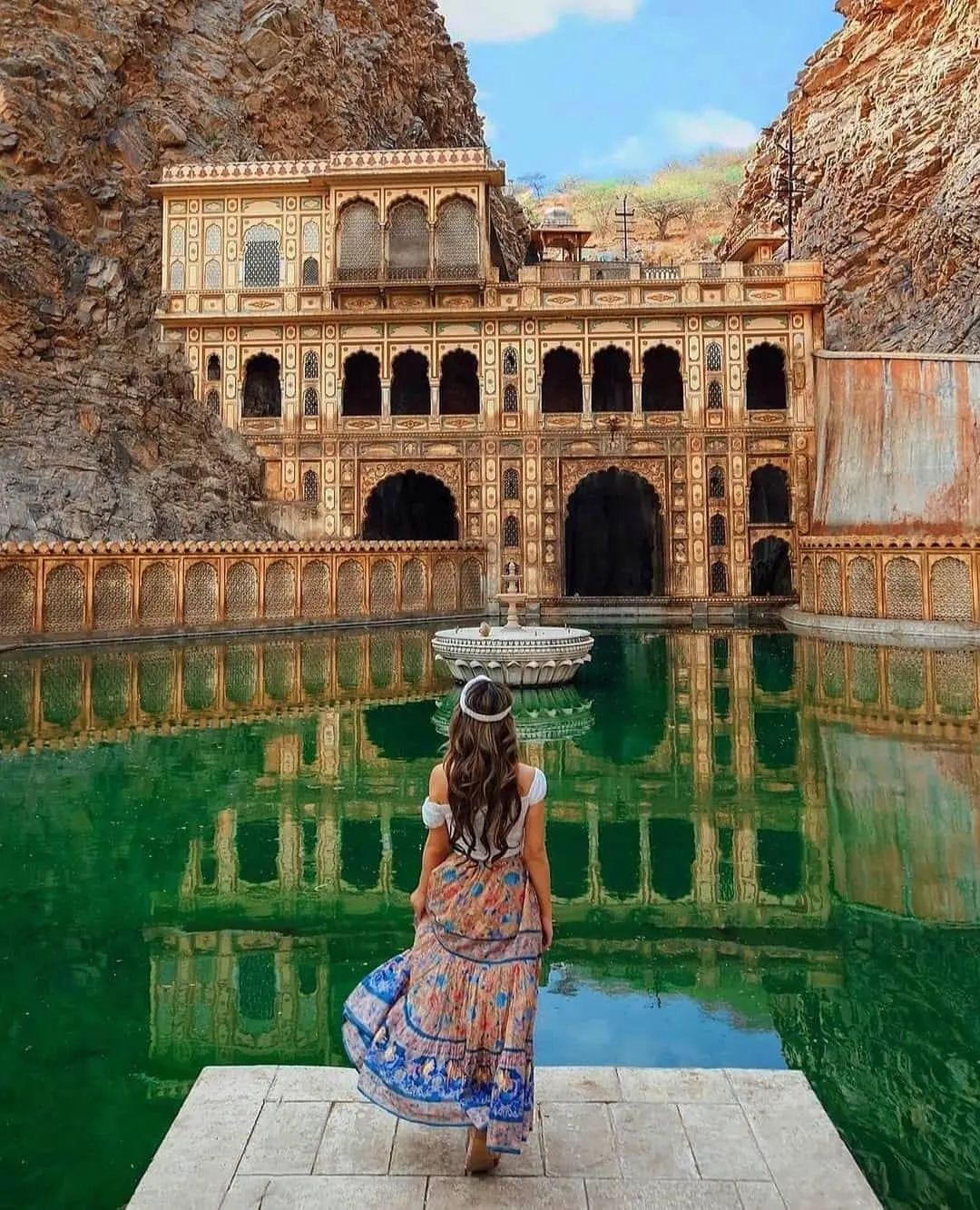
The Monkey Temple
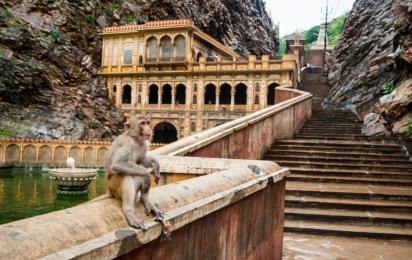
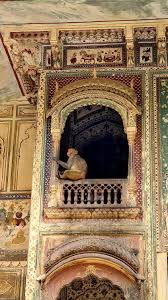
In the northern part of Jaipur lies an architectural gem dating back to the 18th century. Composed of several temples carved from pink stone, the site was once a place of pilgrimage and a sanctuary for ascetics. Today, it’s affectionately known as the Monkey Temple, named for the large population of monkeys that now call it home.
Taj Mahal
The most famous mosque of the world, opened in 1648. The five-dome structure, with a height of almost 80 meters, captures the spirit, and the adjacent gardens and aquatic compositions do not allow to distract the eye. Taj-Mahal dedicates to both the world of beauty and the world of spirituality.
Kamasutra Temple
The complex is located at 10 square km in depth of jungle. Here you can see ancient buildings made of granite and sandstone, decorated with sculptures of an erotic nature. It is believed that all the images on the walls was made between 1025-1050, as we know from historical facts. In addition to sculptures in human growth, merged with each other, there are also images of wars, change of rulers, everyday life.
Gateway of India
Monument in New Delhi, resembling the French Triumphal Arch. Height of construction - 41 meters. The walls are marked with the names of more than 90,000 soldiers who defended the country during World War I. There is also always burning eternal fire
Lotus Temple
One of the main temples of India, built in 1986 in the capital. Lotus Temple became the guardian of the Baha'i religion in the country
Step Wells
Amazing hydrotechnical structure keeps not only the secrets of reliable and aesthetic construction, but also cultural heritage, mysteries of the appearance and disappearance of water.
Temple of India - Jami
The cathedral mosque, biult in 1656, stands on top of a hill from which you can enjoy amazing views. Impressive walls of the temple, an example of religious architecture in the 17th century.
The Red Fort
Construction of red sandstone of the time of the Great Mughals (1652), also known as Lal-Keil. Amazing multi-tiered palaces, built by several generations of the dynasty. This place has become not only a historical example of a defensive fortress, but also a mausoleum for the main beauty, the wife of the emperor. The palace inherited the refinement of Islamic architecture. The residence stands above the river Yamuna, surrounded by peaceful nature - it also deserves tourists attention
The Pink City
Jaipur was founded in 1727 and was the center of the state of Rajasthan. However, in 1876 the Indian city was recognized anew when all the buildings were painted pink to meet the English queen. The city has become pink to highlight the hospitality of the locals. Today, in addition to photogenic, the city attracts tourists with palaces, protected areas, forts
the Palace on the Water.
Near the city of Jaipur, was built a castle that attracts attention with its symmetry and freedom. Jal-Mahal settled right in the middle of Lake Man Sagar! The golden walls, made in the Indo-Muslim style, from the 18th century until today are like standing on the water, although under the water there is another 4 floors, and on the roof grow the most real trees. In this location are interesting both architectural solutions, legends, surrounding the walls of Jal-Mahal and than lake water, beauty of nature and sensations gained from being underwater
The Astronomical Observatory
The Astronomical Observatory sits atop a mountain, inviting visitors to embark on a journey through breathtaking views and the fragrant essence of Indian nature. And once immersed in this sensory landscape, they can turn their gaze to the stars—discovering celestial wonders, recent breakthroughs, and the mysteries of the universe.
The Tomb of the Baby Taj
This marble mausoleum was built between 1622 and 1628 in the classic Mughal style. Though it has undergone restoration, the tomb still preserves the exquisite ornamentation of its era—golden inlays, intricate patterns, and precious stones. Its nickname, “Baby Taj,” comes from its proximity to the majestic Taj Mahal, echoing its elegance on a more intimate scale.
National park
Not far from the popular Khajuraho is one of the most interesting natural parks. It is a place where not to meet a tiger - failure. The location has also become home to several dozen species of unusual plants, monkeys, deer, birds.
Nature reserve with waterfall Raneh
Picturesque place, which amazes with its natural beauty and rich biodiversity. Here you can enjoy magnificent views of the cascade, surrounded by green forests and diverse plant species, as well as go on fascinating walks along trails, admiring the sounds of nature and the beauty of the surrounding landscapes.
Residence of the President of India
The 55-meter building, belonging to neoclassical architecture, is steeped in history. The presidential palace in New Delhi is reminiscent of the Roman pantheon, and impresses not only with its beauty but also with its state significance.
Temple of the goddess Lakshmi and Narayana
The Hindu temple in New Delhi, construction of what was completed in 1985. It will impress with the non-standard colors, shapes, architectural solutions. At the same time, the external turmoil of the temple conceals the calmness that the Hindu teachings give
Lodhi Gardens
New Delhi has a green park with 15th century architecture and the real tombs of Muhammad Shah, Sikander Lodi, Shish Gumbad and Bara Gumbad.
the Chandni Chowk district
Here is one of the oldest and most impressive markets in Asia. It was built in the 17th century by order of Emperor Shah Jahan. He could hardly imagine then that in millennia the area of Chandni Chowk from small alleys with merchants will turn into a national attraction where the tourist can find everything ever looked for, and even more
Sikh temple
The main temple of the Sikh religion, which appeared on the shore of the lake in 1604, is located in Delhi. At sunset it seems to become a reflection of the very sun because of gilding and precious stones on walls and roofs, so another name of historical and architectural monument - Golden Temple. Anyone can visit the Sikh temple, because the current confession principle is openness. In addition to the preserved millenary patterns, the location is decorated with living plants and pleasant musicc
Amber Fortress
Building of 1727, formerly serving as a military fortification and castle on the hills of Jaipur. Now this place is one of the brightest examples of a classical fort, preserving amazing interiors and paintings on the walls. Also the ancient bastion preserves unique nature and panoramic views on pristine Indian latitudes
"The harem wing of Hawa Mahal
In Jaipur, since 1799, a five-storey structure of pink sandstone has stood in quiet majesty. Part of a royal palace complex, it once served as the harem quarters during the reign of Sawai Pratap Singh. The building captivates with its fantastical architecture—designed, quite literally, to breathe. This effect was achieved through its unique shape, as it was said to resemble Krishna’s crown, and through its 953 intricately carved windows that channel air into the harem wing.
The Monkey Temple
In the northern part of Jaipur lies an architectural gem dating back to the 18th century. Composed of several temples carved from pink stone, the site was once a place of pilgrimage and a sanctuary for ascetics. Today, it’s affectionately known as the Monkey Temple, named for the large population of monkeys that now call it home.
The Moonlit Garden
Mehtab Bagh is a botanical garden in the city of Agra, affectionately known as the Moonlit Garden. Its name comes from the abundance of white and silvery-hued plants, pale architectural features, and delicate decor. At twilight and under the moon’s glow, the garden seems to shimmer with enchantment—casting a spell of quiet magic over all who wander through.
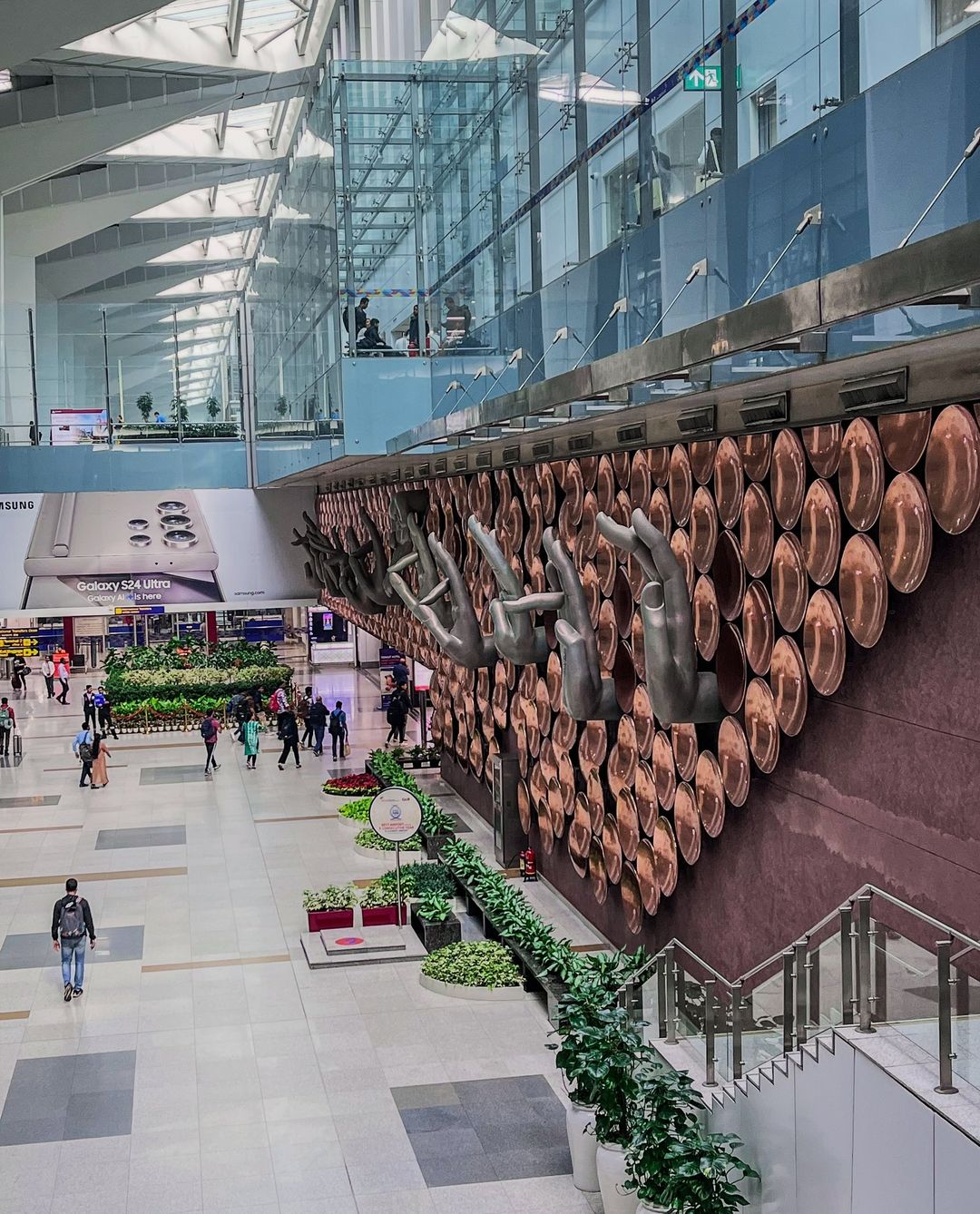
Enjoy Top Photo Spots
Capture unforgettable moments in stunning locations—perfect for your social feed!


When is the best time to go?
Seasons and Weather

20 °C
Jan
22 °C
Feb

28 °C
Mar

35 °C
Apr
38 °C
May
38 °C
Jun
33 °C
Jul
32 °C
Aug
33 °C
Sep
32 °C
Okt
27 °C
Nov
21 °C
Dec
India is governed by the monsoons, which prevent the weather from remaining constant. As a result, the country experiences a winter season from October to February, a summer season from March to June, and a rainy season from June to September. The high tourist season in India is considered to be the winter period, as the temperatures are comfortable and the rains no longer disrupt travel plans.
When are we going?
Dates
Cost
inclusive
✅ What’s Included in Your Journey
-
- 🛬 Airport meet & greet in Delhi
- 🌸 Traditional welcome with flower garlands
- 🏨 Accommodation in 3–4★ hotels
- Twin rooms with daily breakfast
- 🚄 Round-trip tickets on high-speed train (2nd class)
- Includes onboard meals
- 🎟️ Entrance tickets to all monuments
- 🐘 Elephant ride in Jaipur
- 🚐 Air-conditioned minibus with bottled water
- 🛣️ All road tolls, taxes, parking fees, and fuel costs
- 🏙️ All intercity transfers
- 🗣️ English-speaking guide services
- 🚗 Local driver in each city
- ✈️ Airport transfer at the end of the tour
not_inclusive
❌ Not Included in the Tour Price
-
- ✈️ International airfare
- 🛡️ Travel insurance
- 💳 Personal expenses
- 🛂 Visa fees
- 🎭 Agra cultural show – $55 per person
- 🐅 Safari experience – $75 per person (minimum 4 participants)
- 🍽️ Meals and drinks outside the hotel – approx. $10/day for lunch
- 🛏️ Single room supplement (optional) – $300
💰 Tour Price per Person (Based on Double Occupancy)
The cost is calculated per guest sharing a twin room.
1800 $
October 30 – November 6
1400 $
November 19 – 26
1500 $
December 4 – 11
1700 $
December 26 – January 2; January 8 – 15
A Little About Us
Tour organizer

Naiana Hrybova
Here to help you find your dream journey
Questions & Answers
How much money should I bring?
On average, meals at local cafés cost around $15–20 per day, depending on your appetite and preferences. For tour payments and personal expenses, we recommend bringing new $100 bills (latest design). For personal spending—souvenirs, snacks, optional activities—we suggest a minimum of $300.
What to Bring?
👖 Comfortable pants, jeans, t-shirts, and a sweatshirt (The weather is pleasant—daytime temperatures can reach +30°C, and nights around +18°C. A sweatshirt is useful during transfers or train rides with air conditioning.)
👗 For women: dresses and skirts are welcome, but clothing should not be too tight or revealing.
In temples, shoulders and knees must be covered—this applies to both women and men.
🧦 Socks (You’ll need to remove shoes in all Indian temples, but socks are allowed.)
👟 Sneakers, casual shoes, sandals
🩴 Flip-flops
🧢 Hats or caps for sun protection
How to Apply for a Visa?
You can apply for an Indian visa in two ways:
At the Indian Embassy or Consulate in your country (for regular/paper visas)
Online via the official website: indianvisaonline.gov.in
This platform offers eVisas for eligible travelers.
Make sure your passport is valid and check the specific visa category that suits your travel purpose.
📱 You can also use the official mobile app Indian Visa Su-Swagatam for streamlined services (available in 60 countries).
⚠️ Note: The Government of India does not authorize agents or intermediaries to charge fees for emergency or express visa facilitation.
Is Travel Insurance Required?
Travel insurance is not mandatory for visiting India. However, we recommend having coverage for medical expenses, trip delays, or unforeseen situations—for your peace of mind.
How to Book Your Tour?
It’s easy—just send us a message on WhatsApp and we’ll help you plan your dream journey!
What Makes This Tour Special?
Our itinerary is thoughtfully designed so you’ll have time to take stunning photos, pick up unique souvenirs, and truly enjoy the experience—without feeling rushed or exhausted. You’ll leave with unforgettable memories and a heart full of joy from this beautiful country.
How Much Does the Tour Cost?
The price depends on your travel dates, hotel choice, transfers, tickets, and guide services. It starts from $1400 per tour (based on double occupancy) and may vary depending on the season and accommodation preferences.
We’ll be happy to tailor the experience to your needs—just message us for a personalized quote!
Voyage Xcite
Voyage Xcite
Book a tour
select tour
Choose a date
Get the program on WhatsApp
select tour
Choose a date